

This distinction matters because people often use the same words, such as “shaking” or “twitching,” to describe very different symptoms. Some finger movements are short-lived and related to fatigue, stress, caffeine, or muscle overuse. Others may be tremors linked to medication effects, metabolic issues, Essential Tremor, Parkinson’s-related tremor, or other neurological conditions.
This article explains how to tell finger twitching and tremors apart, what may cause each symptom, when to speak with a healthcare professional, and how daily support tools may help when hand tremor affects everyday activities.
What Is the Difference Between Finger Twitching and Finger Tremors?
Finger twitching is usually a brief, irregular muscle movement, while a finger tremor is usually a repeated, rhythmic shaking movement. The simplest difference is pattern: twitching is often uneven, while tremor is more rhythmic.
A finger twitch may feel like a small jump, flutter, pulse, or flicker under the skin. It may happen once, stop, and return later. It may involve one small muscle area rather than moving the whole finger in a steady rhythm.
A finger tremor usually looks more like repeated shaking. It may affect the finger, thumb, hand, or wrist. According to the National Institute of Neurological Disorders and Stroke, tremor involves involuntary shaking or trembling movements that most commonly affect the hands.
The table below summarizes the practical differences patients and caregivers can observe.
| Feature | Finger Twitching | Finger Tremor |
|---|---|---|
| Movement pattern | Small, brief, irregular muscle jump | Repeated, rhythmic shaking |
| Common description | Fluttering, pulsing, jumping, flickering | Shaking, trembling, oscillating |
| Duration | Often short episodes | May recur or persist |
| Timing | May happen at rest or after muscle use | May appear at rest, with posture, or during action |
| Daily impact | Often noticeable but may not impair function | May affect writing, eating, drinking, grooming, or phone use |
| Medical meaning | Often temporary, but not always | May need evaluation if persistent, new, or worsening |
The table is not a diagnostic tool. It is a way to describe what you are seeing more clearly before speaking with a clinician.
What Does Finger Twitching Feel Like?
Finger twitching feels like a small involuntary muscle movement, often described as a jump, flutter, pulse, or flicker in one finger, the thumb, or part of the hand. It is usually irregular rather than rhythmic.
Clinically, this type of small muscle twitch may be described as a fasciculation or a brief involuntary muscle contraction. Cleveland Clinic describes benign fasciculation syndrome as frequent muscle twitches without an underlying medical condition, although it also notes that people should seek care if twitching appears with symptoms such as muscle weakness or atrophy.
Finger twitching may be more noticeable after:
- Poor sleep
- Stress or anxiety
- High caffeine intake
- Dehydration
- Repetitive hand use
- Typing, gripping, gaming, or tool use
- Medication changes
- Muscle fatigue
In many cases, twitching is temporary. However, “temporary” does not mean it should always be ignored. A twitch that persists, spreads, worsens, or appears with weakness, numbness, pain, loss of coordination, or visible muscle loss should be discussed with a healthcare professional.
A useful way to describe finger twitching is: “It feels like a small muscle is jumping, but my finger is not rhythmically shaking.” That description helps separate twitching from tremor during a medical conversation.
What Does a Finger Tremor Look Like?
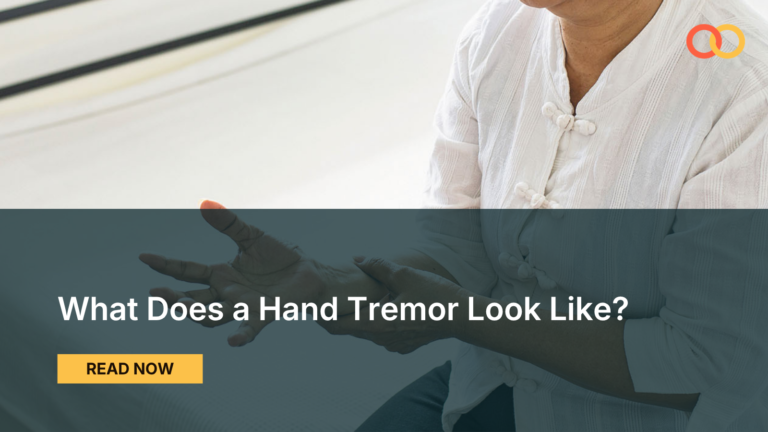
A finger tremor looks like repeated, involuntary shaking of the finger, thumb, or hand. Unlike a twitch, a tremor usually has a more rhythmic back-and-forth movement.
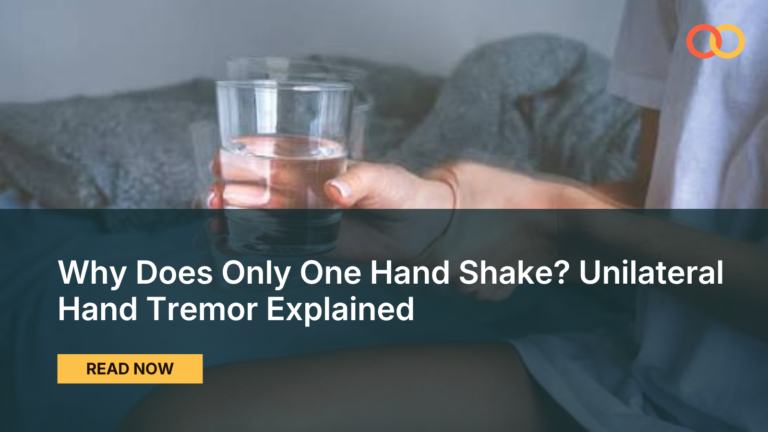
A tremor may appear in different situations. It may happen when the hand is resting, when the person holds the hand in a position, or when the person uses the hand for a task. This timing matters because clinicians often ask whether the movement appears at rest, during posture, or during action.
A finger or hand tremor may become noticeable during tasks such as:
- Writing
- Holding a cup
- Using utensils
- Buttoning clothing
- Grooming
- Holding a phone
- Reaching for small objects
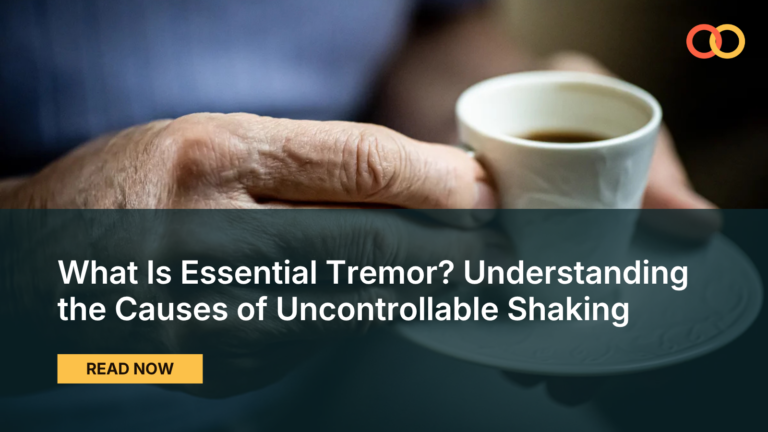
Essential Tremor is one possible cause of hand tremor. Mayo Clinic defines Essential Tremor as a nervous system condition that causes involuntary, rhythmic shaking, most often affecting the hands.
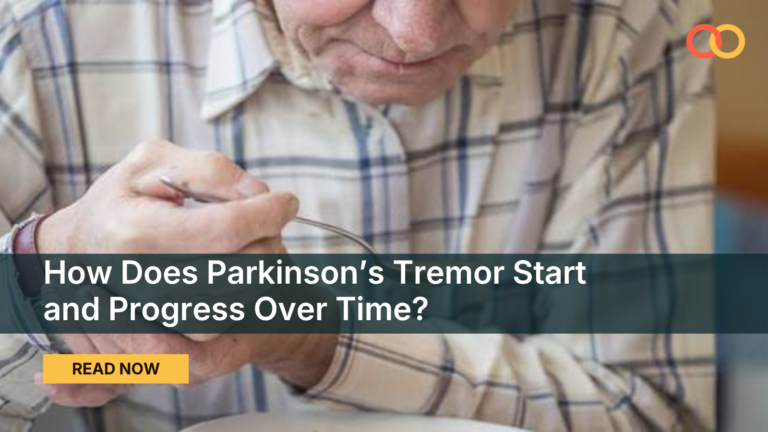
Parkinson’s-related tremor is another possible cause. Parkinson’s Foundation notes that Parkinson’s tremor often appears as a resting tremor, typically affecting one side of the body, and may make tasks such as writing, shaving, or eating more difficult.
A finger tremor alone does not confirm Essential Tremor, Parkinson’s disease, or any specific diagnosis. It is a movement pattern that should be interpreted alongside other symptoms, medical history, medication use, and clinical examination.
What Causes Finger Twitching vs. Finger Tremors?
Finger twitching is often linked to muscle irritability or temporary triggers, while finger tremors are more often linked to rhythmic movement patterns caused by neurological, medication-related, metabolic, or physiologic factors.
For finger twitching, common contributors may include fatigue, stress, caffeine, dehydration, repetitive hand use, and medication changes. These factors can make muscles feel more reactive or make small involuntary movements more noticeable.
For finger tremors, possible causes include:
- Enhanced physiologic tremor
- Essential Tremor
- Parkinson’s-related tremor
- Medication side effects
- Thyroid or metabolic issues
- Neurological conditions
- Stimulant use or caffeine sensitivity
- Anxiety, stress, or fatigue
Enhanced physiologic tremor refers to the body’s normal small tremor becoming more visible under certain conditions. Stress, tiredness, stimulants, low blood sugar, or some medications may make shaking more noticeable. This type of tremor can look concerning, but it is not the same as diagnosing a movement disorder.
Essential Tremor usually causes action-related shaking. That means the tremor often becomes more noticeable when the person uses the hand. Mayo Clinic notes that Essential Tremor often affects the hands and can be worsened by factors such as stress, fatigue, caffeine, or temperature extremes.
Parkinson’s-related tremor is often discussed in relation to resting tremor. Parkinson’s Foundation describes it as commonly beginning on one side of the body and often appearing when the affected body part is relaxed.
The key point is that causes overlap. A person may notice finger shaking because of fatigue or caffeine, but persistent tremor may also need medical evaluation. A person may have twitching from a benign cause, but twitching with weakness or muscle loss needs prompt attention.
When Should You See a Doctor?
You should see a healthcare professional if finger twitching or tremors are persistent, worsening, new, affecting daily activities, or accompanied by weakness, numbness, stiffness, pain, balance changes, or coordination problems.
Seek medical advice if you notice:
- Twitching or tremor that does not improve
- Symptoms that become more frequent or more intense
- Weakness in the hand, arm, or fingers
- Numbness, tingling, or loss of sensation
- Muscle wasting or visible loss of muscle bulk
- Stiffness, slowness, or changes in walking
- Loss of coordination
- Tremor that affects eating, writing, drinking, grooming, or phone use
- Symptoms that begin after a medication change
- Tremor that is mainly on one side and becoming more obvious
- New symptoms that cause concern for the patient or caregiver
The goal is not to create alarm. Many causes of finger twitching or shaking are not dangerous. The goal is to identify when a symptom needs clinical context.
Before an appointment, patients or caregivers can track:
- Which finger or hand is affected
- Whether the movement happens at rest, during posture, or during action
- How long it lasts
- How often it happens
- Whether caffeine, stress, fatigue, or sleep changes affect it
- Whether daily tasks are becoming harder
- Whether there were recent medication changes
- Whether there are other symptoms, such as weakness, stiffness, numbness, or balance changes
A short video may also help a clinician see the movement pattern, especially if the symptom does not appear during the appointment.
Can Daily Support Tools Help With Hand Tremors?
Yes, daily support tools may help some people with hand tremors manage tasks such as eating, writing, grooming, holding objects, and using a phone. They do not diagnose, cure, or replace medical care.
Support options may include adaptive utensils, weighted pens, non-slip mats, cup stabilizers, phone grips, occupational therapy strategies, and wearable assistive technology. The right option depends on the person’s symptoms, diagnosis, goals, and daily challenges.
GyroGlove™ is a wearable, non-invasive, drug-free hand-stabilizing device developed by GyroGear. It is designed to assist with hand stabilization and may help support daily activities for some people living with hand tremor related to conditions such as Essential Tremor or Parkinson’s-related tremor.
GyroGlove is not intended to cure tremor, replace medication, replace medical care, or diagnose a condition. It is best understood as a daily support tool for people whose hand tremor affects independence during everyday activities.
If finger or hand movement is new, persistent, or worsening, the first step should be medical evaluation. Once the cause and daily impact are better understood, patients and caregivers can explore appropriate support options, including assistive tools designed to support daily hand stability.