

How Does Parkinson’s Tremor Start and Progress Over Time?
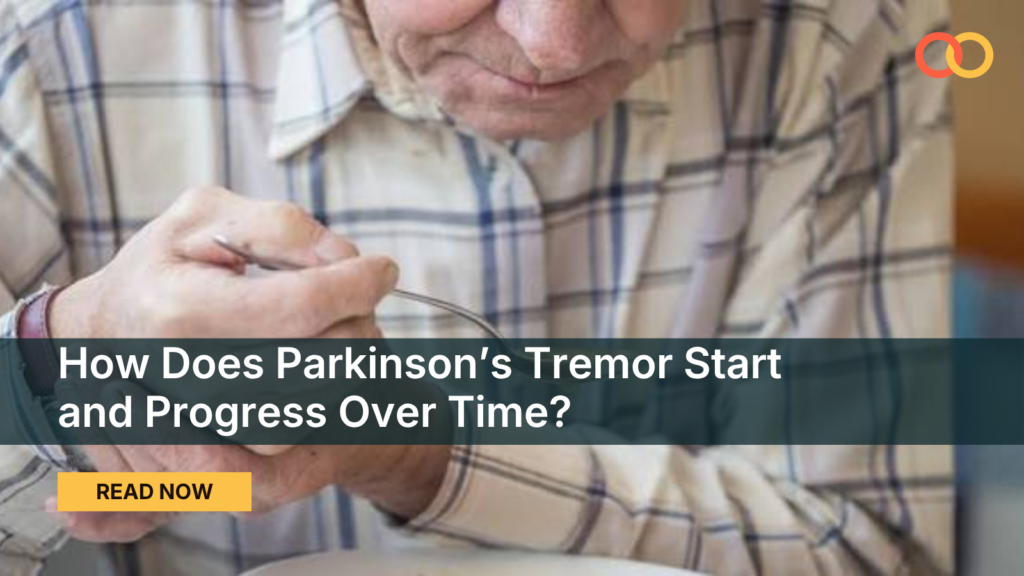
Parkinson’s tremor typically starts on one side of the body, often in one hand or arm, and may later become noticeable on the opposite side or in other body areas. However, tremor does not follow a single, predictable progression pattern.
Can You Have Parkinson’s Without Tremor? Symptoms Beyond Shaking

Yes. Parkinson’s disease can occur without tremor. Although shaking is one of its most recognizable symptoms, some people experience more prominent slowness, stiffness or reduced movement without developing an obvious resting tremor.
Does Parkinson’s Tremor Come and Go? Why Shaking Can Change Throughout the Day

Yes. Parkinson’s tremor can come and go, and its intensity may change throughout the day. A hand may shake noticeably while resting, become steadier during movement, and then tremble again later. Stress, fatigue, medication timing, and sleep can all influence this variability.
Essential Tremor vs. Parkinson’s Tremor: How Their Movement Patterns Differ
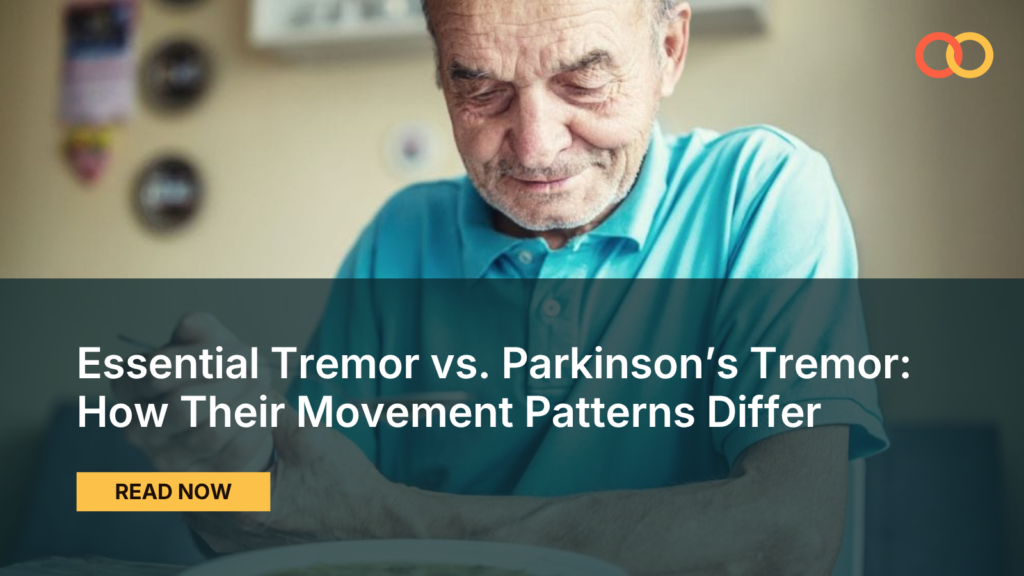
Essential Tremor and Parkinson’s tremor differ most clearly in when the shaking appears. Essential Tremor is typically more noticeable while using the hands or holding them against gravity, whereas the classic Parkinson’s tremor is most noticeable when the affected body part is relaxed.
Hand Tremor Aids and Devices: Which Options Can Make Daily Tasks Easier?

Hand tremor aids and devices are designed to make everyday tasks easier when shaking affects grip, precision or hand stability. They range from simple adaptations such as larger utensil handles and button hooks to stabilizing utensils and wearable technologies.
How to Stop Hand Tremors: What Can Reduce Shaking and When Treatment Is Needed?
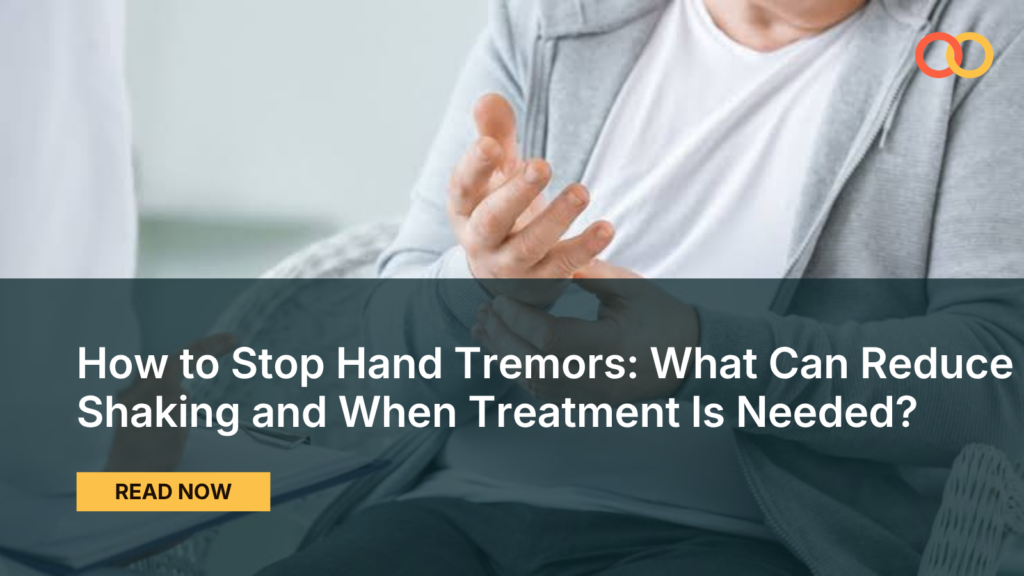
Hand tremors cannot always be stopped completely. The right approach depends on the cause, severity and functional impact. Some tremors improve substantially when a reversible trigger or underlying condition is addressed, while chronic tremor disorders are more often reduced or managed than completely eliminated.
Is Hand Tremor Always Parkinson’s Disease? What the Tremor Pattern Can Tell You

A hand tremor does not automatically mean Parkinson’s disease. Tremor can also occur with essential tremor, enhanced physiologic tremor, medication effects and other neurological or systemic conditions.
Resting Hand Tremor and Pill-Rolling Tremor: How Are They Related?
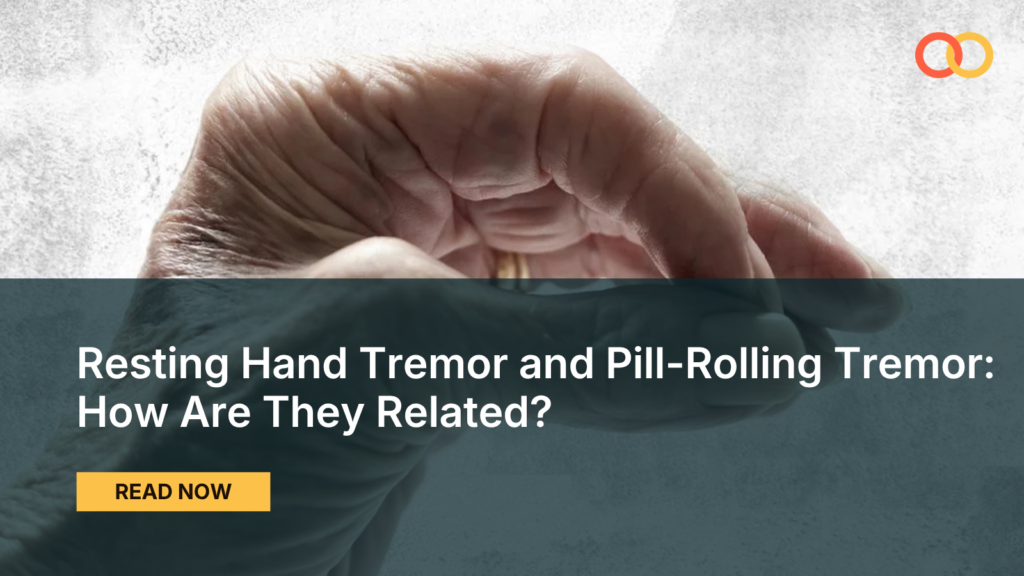
A resting hand tremor describes shaking that is most noticeable when the hand is relaxed, while a pill-rolling tremor describes a specific thumb-and-finger movement that resembles rolling a small object between the fingers. A pill-rolling tremor commonly occurs as a resting tremor, particularly in Parkinsonian tremor.
Hand Tremor at Different Ages: Children, Young Adults and Older Adults
Hand tremor can occur at any age, but its clinical context changes across the lifespan. Tremor that begins in childhood is not interpreted in the same way as new shaking that first appears in older adulthood. Age helps narrow the possibilities, but it does not identify the cause by itself.
Hand Tremor When Writing: What the Pattern Can Tell You

A hand may shake during writing because handwriting combines sustained grip, wrist control and precise voluntary movement. These demands can reveal a tremor that is subtle during simpler tasks or, in some cases, trigger a tremor that is strongly linked to writing itself.