

How to Tell If a Hand Tremor Is Normal: Mild Shaking, Sudden Onset and Warning Signs
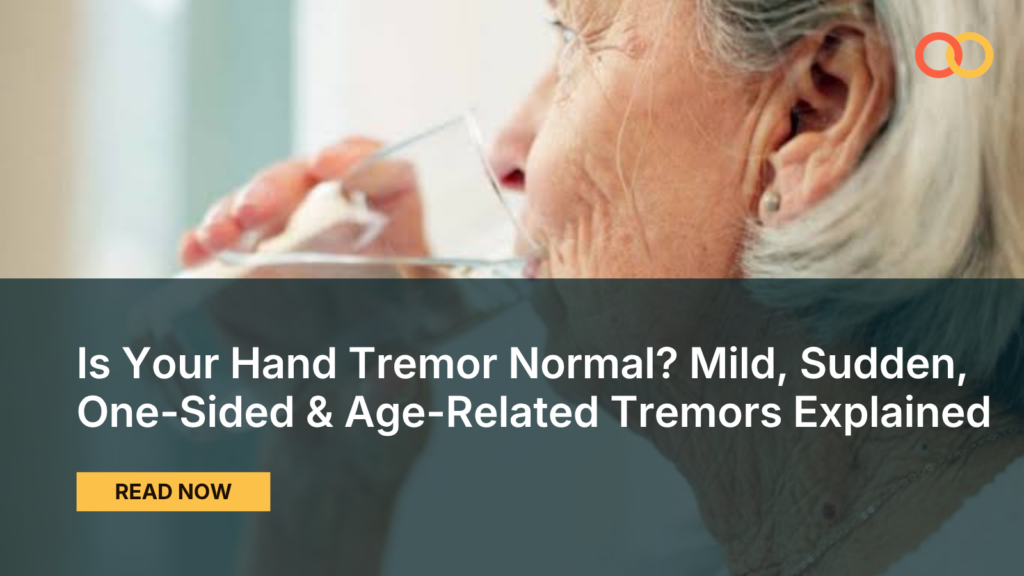
A slight hand tremor can be normal, particularly when it appears during stress, tiredness, anxiety, caffeine use or exposure to very hot or cold temperatures. Most people’s hands are not completely still when held out in front of the body.
What Causes Hand Tremors? Medical Conditions, Medications & Lifestyle Triggers Explained
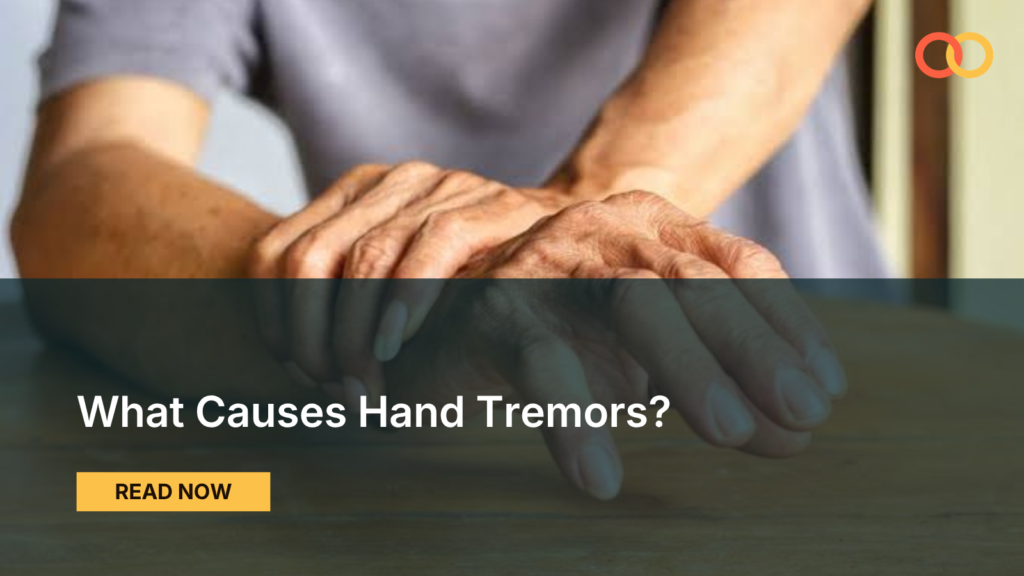
Hand tremors can be caused by neurological conditions, other medical problems, medication side effects or temporary triggers such as stress, fatigue and excessive caffeine. Because several causes can produce similar shaking, a hand tremor should be treated as a symptom rather than a diagnosis.
Finger Twitching vs. Tremors: How to Tell the Difference and When to Seek Help
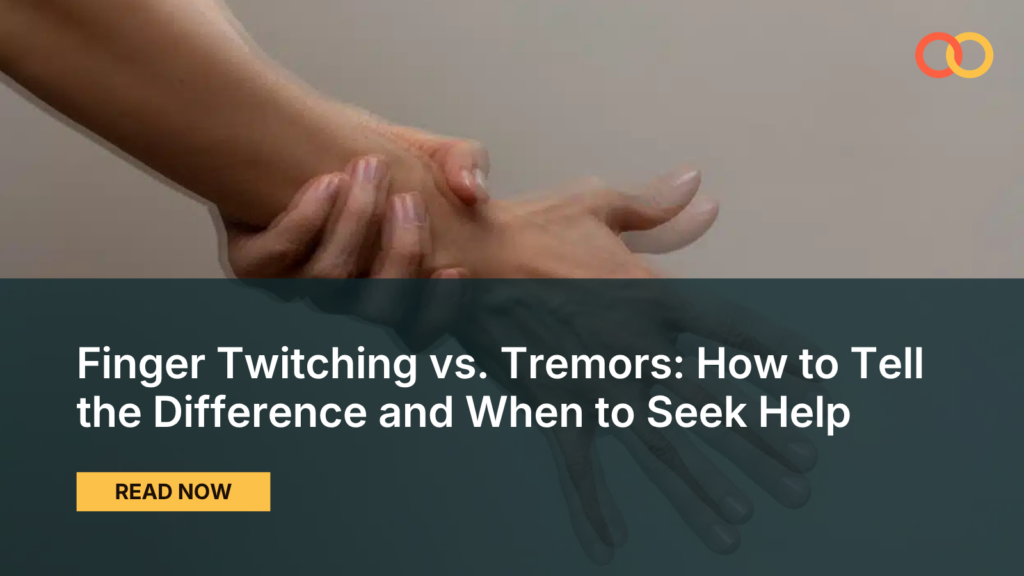
Finger twitching and finger tremors are different movement patterns. Finger twitching usually feels like a small, brief, irregular muscle jump. A finger tremor is more often a repeated, rhythmic shaking movement that may affect control of the finger, thumb, or hand.
Essential Tremor Treatment Options: From Lifestyle Changes to Wearable Devices

Essential tremor has no cure, but the range of management options available in 2026 is broader than most newly diagnosed patients realize — and the right approach depends on where you are in the progression of your condition, not on a single treatment ladder. The first intervention is the use of non-pharmacological and non-surgical strategies, including general advice, occupational therapy, and adaptive techniques. Pharmacological treatment remains central but is not very satisfactory for all patients. In cases with severe tremor, surgical options are considered.
What Is Essential Tremor? Understanding the Causes of Uncontrollable Shaking
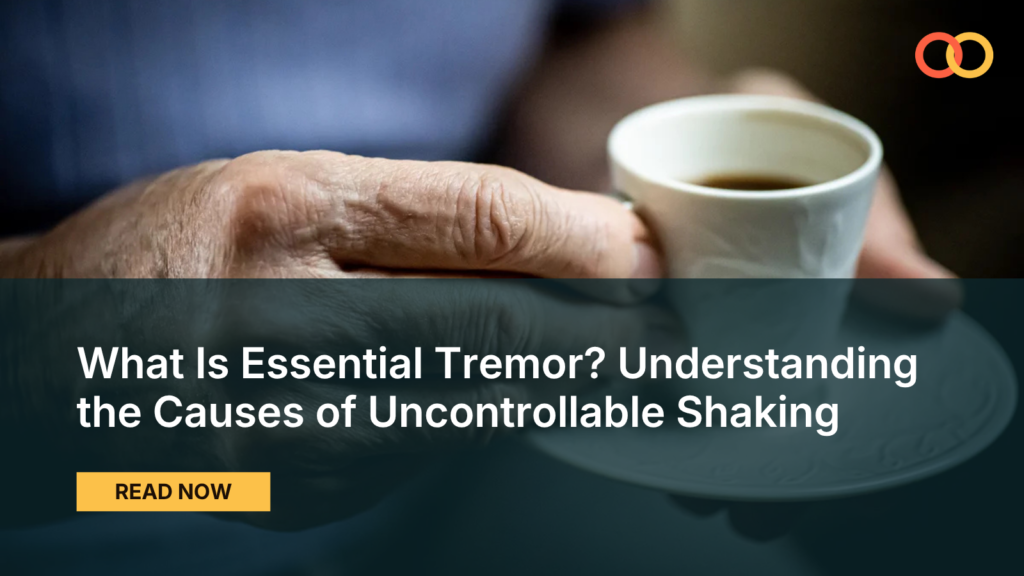
Essential tremor (ET) is the most common movement disorder in the United States, yet it remains widely misunderstood — by the public, and sometimes by the medical system itself. Essential tremor is one of the most common movement disorders. Its key feature is a tremor in both hands and arms during action without other neurological signs. It is not anxiety. It is not aging. It is not Parkinson’s disease. It is a distinct neurological condition that deserves its own diagnosis, its own understanding, and its own management plan.
How Gyroscopic Stabilization Works to Reduce Hand Tremors in GyroGlove™
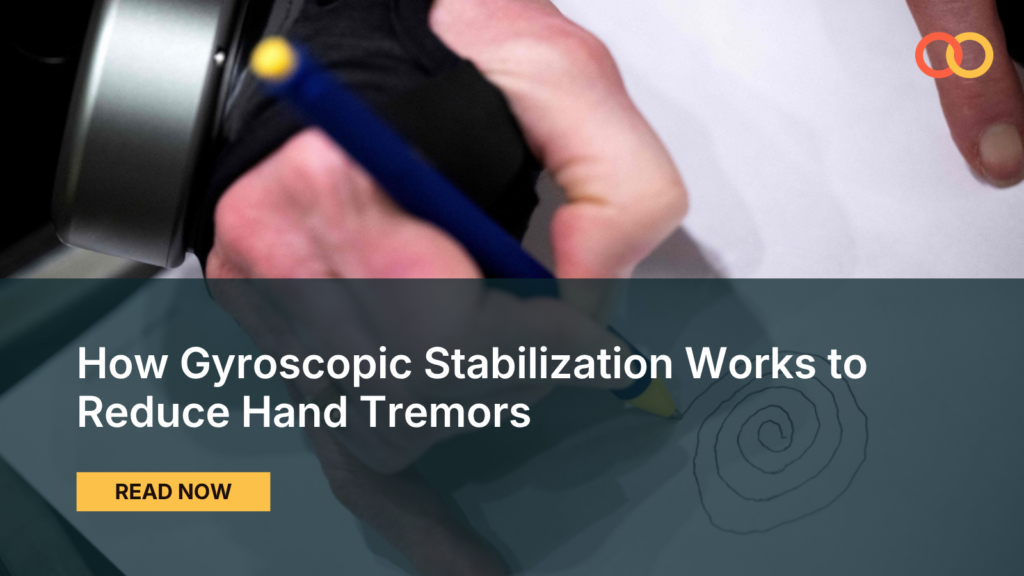
Hand tremors can make simple daily tasks feel harder than they should. Writing a note, drinking from a cup, using utensils, or buttoning a shirt may become frustrating when your hand shakes without your control. Gyroscopic stabilization helps by using a fast-spinning gyroscope to resist unwanted hand movement and support a steadier hand.
GyroGlove™ vs Medication and Surgery for Hand Tremors: What’s the Difference?

GyroGlove™, medication, and surgery can all be part of the broader conversation around hand tremors, but they serve different roles. GyroGlove™ supports hand movement mechanically, medication helps manage tremor symptoms through medical treatment, and surgery is usually considered for selected severe cases under specialist care.
Gyroscopic Stabilization vs Weighted Gloves: What’s the Difference?
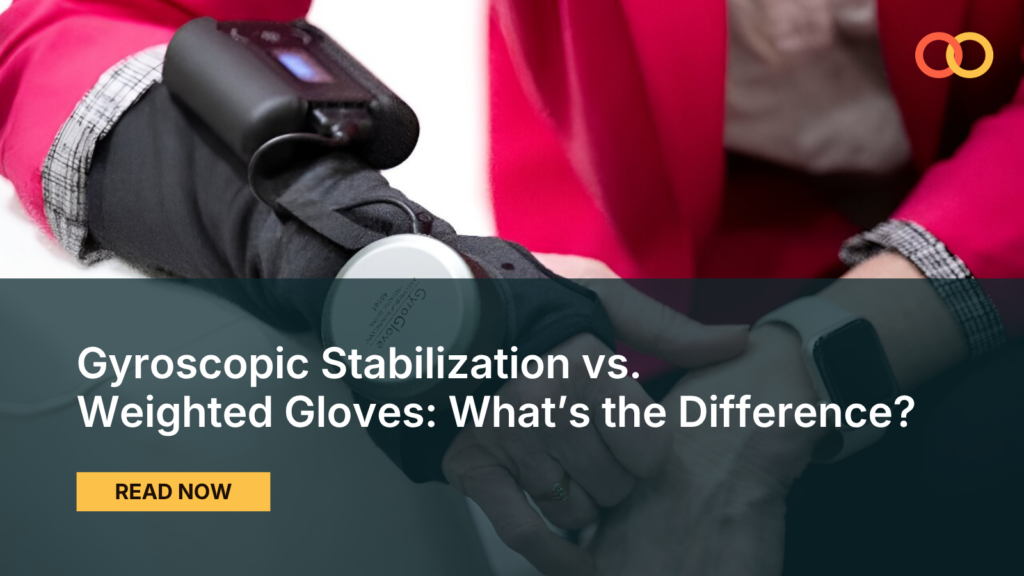
Gyroscopic stabilization and weighted gloves are both non-invasive ways to support steadier hand movement. However, they work in very different ways. Gyroscopic stabilization uses resistance from a spinning gyroscope, while weighted gloves use added weight to dampen hand shaking.
What Are the Best Hand Tremor Stabilizers to Regain Steady Control in 2026?
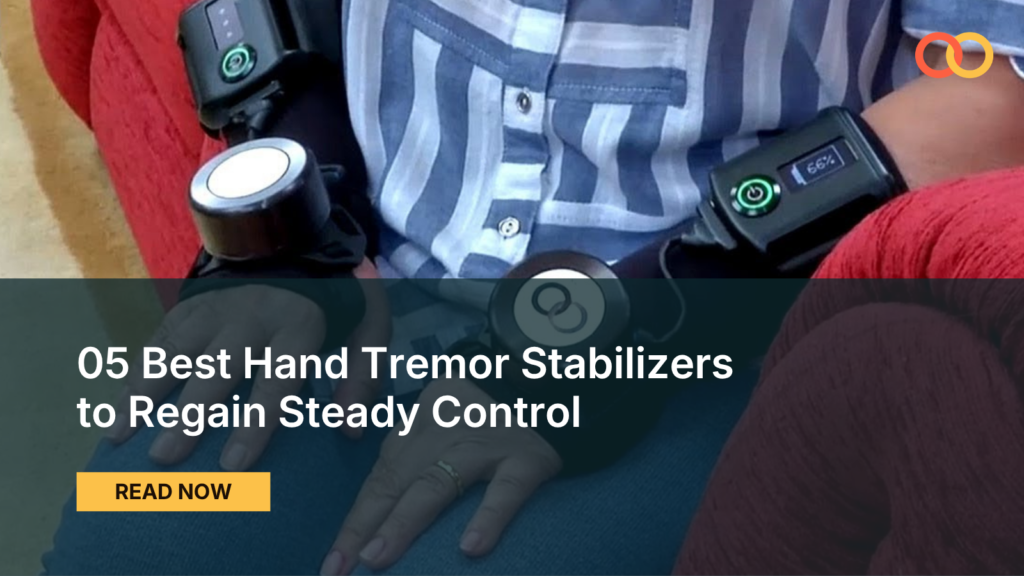
The 5 best hand tremor stabilizers in 2026 are GyroGlove, Steadi-3, Tremelo, Readi-Steadi, and Cala kIQ — ranked across six criteria: Stabilization Mechanism, Real-Time Adaptive Response, Fine Motor Dexterity Support, Prescription Required, Battery Required and FDA Status.
Life with Unsteady Hands vs. Life with a Gyroscopic Stabilizer — What Really Changes?
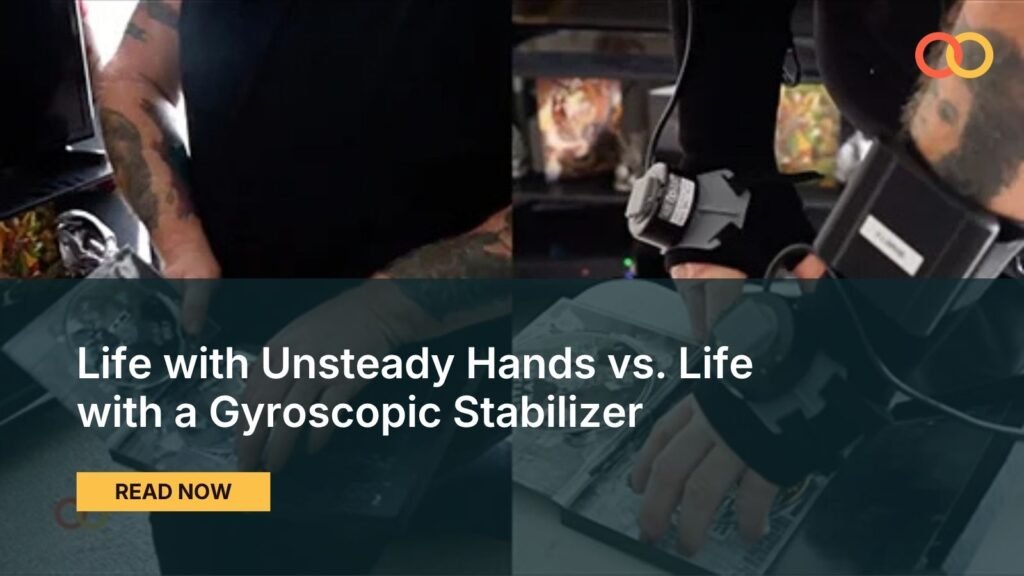
The difference between life with uncontrolled hand tremors and life with an effective gyroscopic stabilizer is not simply a reduction in shaking — it is a transformation in independence, dignity, and participation in the activities that make daily life meaningful. Specifically, the contrast between “shaky/uncontrolled” and “steady/controlled” plays out not just in physical function but in a person’s sense of self, their willingness to engage socially, and their capacity to pursue the interests and relationships that define a full life.