


Temporary triggers such as caffeine, stress or fatigue may make shaking more noticeable. Persistent or worsening tremor should be assessed because similar symptoms can arise from different underlying causes.
A persistent hand tremor does not automatically mean Parkinson’s disease. Essential tremor, medication effects, thyroid disorders and enhanced physiological tremor are among the other possible causes. Understanding the pattern and practical impact of the tremor is the first step toward finding an appropriate management approach.
What Causes Hand Tremors?
Hand tremors have three broad groups of causes: medical conditions, medication effects and lifestyle or environmental triggers. The shaking may look similar across these groups, but its timing, duration and accompanying symptoms can differ.
A tremor is an involuntary, rhythmic shaking movement. It may occur while the hands are resting, held in a fixed position or being used to complete a task. Most people have a very small physiological tremor that is normally difficult to see. Stress, fatigue, stimulants and certain health conditions can make that movement more noticeable.
Which Medical Conditions Commonly Cause Hand Tremors?
Several medical conditions can cause hand tremors, but essential tremor and Parkinson’s disease are among the best-known neurological causes. Thyroid, metabolic and other nervous system disorders may also produce shaking.
Essential tremor
Essential tremor is a movement disorder that commonly causes shaking during voluntary actions or while maintaining a posture. The tremor may become noticeable when a person writes, eats with cutlery, holds a cup or stretches their arms forward.
It usually affects the hands and arms, although the head, voice or other areas may also be involved. Stress, fatigue, anxiety, hunger, caffeine and temperature extremes can make essential tremor more noticeable.
Essential tremor can affect people differently. For one person, it may be a mild inconvenience. For another, it may make drinking, preparing food, using a phone or completing personal-care tasks difficult. The level of functional disruption does not always correspond directly to how dramatic the tremor appears.
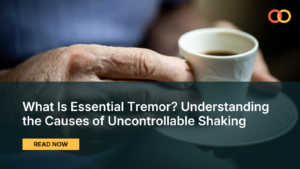
Learn more: What Is Essential Tremor? Understanding the Causes of Uncontrollable Shaking
Parkinson’s disease
Parkinson’s disease often causes a resting tremor, meaning the shaking is most noticeable when the affected hand is relaxed. It frequently begins on one side of the body and may become less apparent during purposeful movement.
However, tremor alone cannot confirm Parkinson’s disease. Doctors also look for features such as slowness of movement, muscle stiffness, walking changes and other motor or non-motor symptoms. Some people with Parkinson’s do not develop a prominent tremor.
A hand tremor should therefore not be labelled as Parkinsonian solely because it occurs at rest or affects one side. A clinical assessment is needed to evaluate the complete symptom pattern.
Thyroid, metabolic and systemic conditions
An overactive thyroid can cause a fine hand tremor, often alongside symptoms such as a rapid heartbeat, sweating, heat intolerance, anxiety or unexplained weight loss. Low blood sugar and some metabolic disturbances may also produce temporary shaking.
Less commonly, tremor may be associated with conditions affecting the brain, cerebellum or nervous system, including multiple sclerosis, stroke or traumatic brain injury. The presence of a tremor does not establish any of these diagnoses, and the probability of each cause depends on the wider medical context.
Can Medications and Everyday Habits Trigger Hand Tremors?
Yes. Certain medicines, stimulants and everyday circumstances can cause hand tremors or make an existing tremor more noticeable.
Medication-related tremor may begin after a new medicine is introduced, its dosage is increased or it interacts with another substance. Potentially associated medicines include:
- Certain antidepressants and psychiatric medications
- Lithium
- Some asthma medicines and bronchodilators
- Corticosteroids
- Stimulant medications
- Selected anti-seizure medicines
- Certain cancer treatments
The timing of the tremor can provide an important clue, but it does not prove that a medicine is responsible. A person should not stop a prescribed medicine without first consulting the doctor or pharmacist responsible for their care. Abruptly stopping some medicines can create additional health risks.
Everyday triggers that may cause or worsen hand shaking include:
- Excessive caffeine
- Emotional stress or anxiety
- Physical fatigue
- Insufficient sleep
- Nicotine
- Low blood sugar
- Exposure to extreme temperatures
- Alcohol withdrawal
Stress, tiredness, strong emotions and caffeine can intensify physiological tremor or make an existing movement disorder more apparent.
Alcohol withdrawal requires particular caution. Shaking accompanied by confusion, hallucinations, severe agitation or seizures may require urgent medical attention.
A temporary trigger and a neurological condition are not the same. Shaking caused by excessive caffeine may improve once caffeine intake is reduced, whereas persistent tremor usually requires a more structured assessment.
Why Identifying the Cause Matters Before Choosing a Tremor Management Solution
Identifying the cause matters because temporary, medication-induced and neurological tremors require different management approaches. The appropriate response depends on the diagnosis, symptom pattern, functional impact and individual treatment goals.
For example, management may involve reducing a temporary trigger, reviewing a suspected medicine, treating an underlying health condition or using therapy for a diagnosed movement disorder. Some people may also benefit from occupational strategies or assistive technology that supports specific daily activities.
Assistive technology does not diagnose or cure the underlying cause of a tremor. Its purpose is to support function when shaking affects practical tasks. GyroGear’s approach focuses on this distinction by considering not only the diagnosis but also how tremor affects eating, writing, holding objects and maintaining independence.
Read more: Essential Tremor Treatment Options: From Lifestyle Changes to Wearable Devices
Two people with similar-looking tremors may need different management because the underlying cause, pattern and functional impact can differ. Assistive technology may support daily activities, but it does not diagnose or treat the underlying condition.
For a fuller guide to mild shaking, sudden onset and warning signs, read: How to Tell If a Hand Tremor Is Normal
Understanding the Cause Guides the Next Step
Hand tremors can result from neurological conditions, medication effects, thyroid or metabolic problems, and temporary triggers such as stress, fatigue or caffeine. Because similar shaking patterns can have different causes, the tremor itself should not be treated as a diagnosis.
Persistent, unexplained or worsening shaking should be assessed by a healthcare professional. Once the likely cause and its effect on daily activities are understood, an appropriate management plan may include medical care, lifestyle adjustments, practical strategies or assistive technology.
GyroGear develops non-invasive hand-stabilising technology designed to support independence and daily function for appropriate users living with hand tremor. Learn more about how GyroGlove works and where assistive technology may fit within a broader tremor management approach.